
Corrective Jaw Surgery and Orthodontics in Erie, PA
Some bites can be corrected by moving teeth. Others need the jaws themselves to move. If you have been told that braces alone will not fully fix your bite, you are looking at what is often called orthognathic surgery, or corrective jaw surgery.
That kind of case takes two specialists working from the same plan. An oral and maxillofacial surgeon repositions the jaws. An orthodontist positions the teeth so the jaws fit together correctly once they are moved. Neither half works without the other.
At Doleski & Wolford Orthodontics, Dr. Kenneth Doleski and Dr. Marian Wolford handle the orthodontic side of surgical cases for patients across Erie County and northern Chautauqua County. We coordinate directly with your oral surgeon from the first set of records through the day your braces come off, so you are never the one carrying information between two offices.

What Corrective Jaw Surgery Actually Is
Orthognathic surgery repositions the upper jaw, the lower jaw, or both, so that they line up with each other and with the rest of your face. It is a bone procedure, not a tooth procedure.
The distinction matters, because it decides who does what. Braces and aligners move teeth within the bone they already sit in. That is enough to correct a great many bite problems. But when the jaws themselves are the wrong size or sitting in the wrong position relative to one another, moving teeth can only compensate so far. Push teeth too far to hide a skeletal discrepancy and you end up with an unstable bite, worn enamel, or roots pushed outside healthy bone.
Corrective jaw surgery addresses the underlying structure. The orthodontics that surrounds it makes sure the teeth are ready to meet properly the moment the jaws are in their new position.
Signs Your Bite May Need More Than Braces
Most people arrive at this conversation because something has bothered them for years, not because of how their smile photographs. Common signs that a case may be skeletal rather than purely dental include:
- An open bite: front teeth that do not touch when your back teeth are together
- A pronounced underbite: lower teeth and lower jaw sitting ahead of the upper
- A severe overbite or receded chin that has not responded to growth-guiding treatment
- Difficulty chewing, biting, or swallowing that has not improved over time
- Chronic jaw joint discomfort or facial pain tied to how your bite closes
- Facial asymmetry, where one side of the jaw sits noticeably differently from the other
- Speech difficulties connected to jaw or tongue position
- Breathing and sleep concerns associated with jaw position
- A history of facial injury that changed how your jaws come together
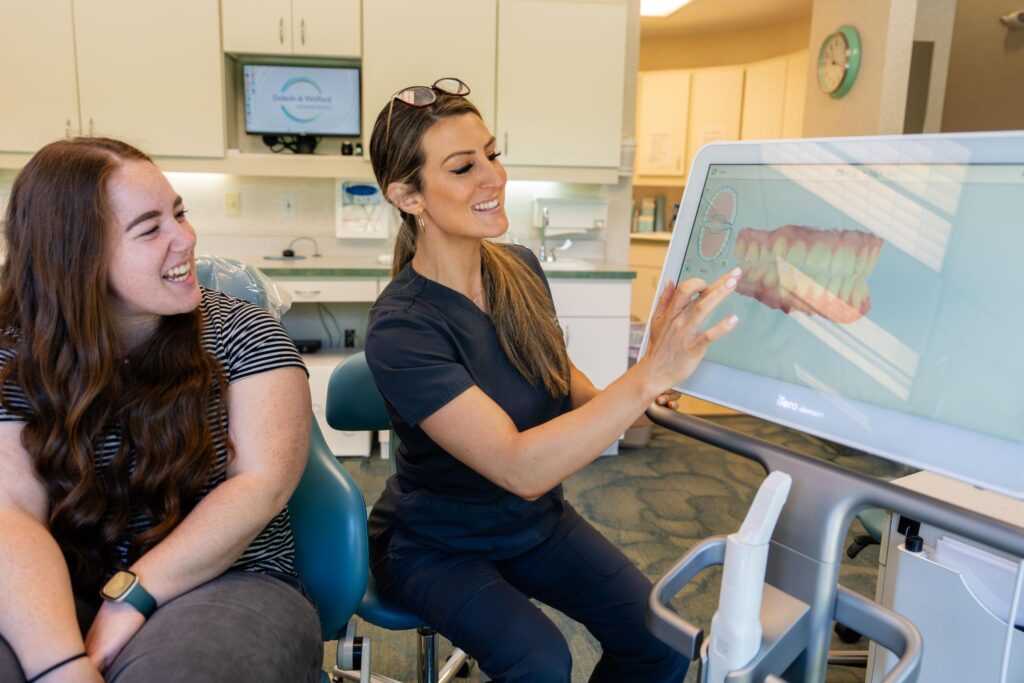
Any one of these is worth an evaluation. None of them, on its own, confirms that surgery is necessary. That determination comes from records: a clinical exam, panoramic and cephalometric imaging, digital scans, and photographs. Plenty of patients come in braced for a surgical conversation and leave with a straightforward orthodontic plan instead.
How We Work With Your Oral Surgeon
This is the part patients ask about most, and it is the part that gets explained the least. Two separate practices are involved, and it is fair to want to know who is responsible for what.
What your orthodontist handles
Dr. Doleski and Dr. Wolford take your teeth from where they are today to where they need to be for the surgeon to work. That means the full course of orthodontic treatment before surgery, close monitoring while your jaws heal, and the detailing work afterward that settles your bite into its final position. We also gather and share the records the surgical plan is built on.
What the oral and maxillofacial surgeon handles
Your surgeon performs the procedure itself, manages the surgical planning and 3D imaging, and oversees your recovery in the weeks immediately following. The surgical practice also coordinates the hospital or surgical facility side of the process and handles the medical clearances involved.
How the two plans stay in sync
Surgical orthodontics only works when both offices are looking at the same target. We share progress records with your surgical team at defined checkpoints, not just at the start and the end. Before your surgery date, the surgeon builds the final movement plan from current models and imaging, and we confirm that your teeth are in the position that plan assumes.
If you are already working with a surgeon, we will work with the one you have chosen. If you are starting from the orthodontic side, we can point you toward the surgical practices in the Erie area we regularly coordinate with. Either way, you should not be the courier. Records move between offices directly.
The Three Phases of Surgical Orthodontic Treatment
Nearly every orthognathic case follows the same three-part sequence. Knowing the shape of it in advance makes the middle stretch far easier to sit through.
Phase one: orthodontics before surgery
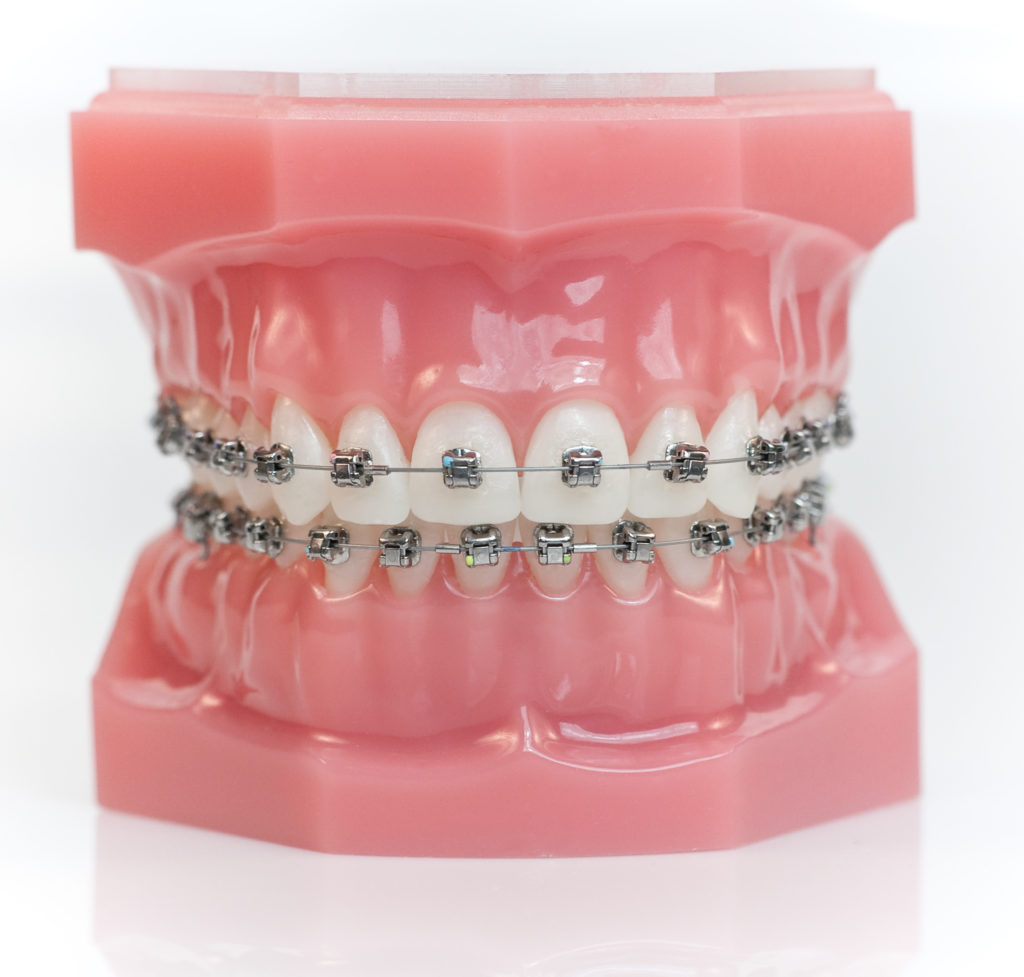
Braces go on first, typically for somewhere between twelve and eighteen months, though your case may run shorter or longer.
Here is the part worth preparing for: during this phase, your bite may look and feel worse rather than better. That is intentional. Over years of living with a jaw discrepancy, your teeth have tipped and drifted to compensate for it, and those compensations have to be undone before the jaws can be moved. Straightening the teeth into their true positions temporarily exaggerates the underbite or open bite, because the camouflage is being removed. We tell every surgical patient this at the outset, because without the explanation it feels like treatment is going backward.
Most patients wear metal braces through this phase, since they give the most precise control over root position. Clear braces are an option in many cases if appearance is a concern.
Phase two: corrective jaw surgery
Your surgeon performs the procedure, usually under general anesthesia. Your braces stay on throughout, because they give the surgeon fixed points to stabilize the jaws in their new position.
The first couple of weeks are the most restrictive: diet is modified, activity is limited, and swelling is expected. Initial healing generally runs several weeks, with the bone continuing to consolidate for months afterward. Your surgeon manages this stretch and sets the parameters for your case.
Phase three: finishing and retention
Once your surgeon clears you, we resume active orthodontics. This phase usually runs a handful of months, and it is where the bite gets truly dialed in: closing remaining spaces, refining how each tooth meets its opposite, and settling the occlusion.
Then braces come off and retention begins. Retention matters more after surgical cases than almost any other, because both the teeth and the surrounding muscles are adapting to an entirely new jaw relationship. Wearing your retainers as directed is what protects the result.
Types of Jaw Surgery You May Hear Discussed
Your surgeon determines the specific procedure, but these are the terms that come up most often, translated into plain language:
- Upper jaw surgery (maxillary osteotomy): repositions the upper jaw forward, backward, up, or down. Often used for open bites and midface deficiency.
- Lower jaw surgery (mandibular osteotomy): moves the lower jaw forward or backward. Common for pronounced underbites and receded lower jaws.
- Double jaw surgery: both jaws are repositioned in the same procedure, which allows for correcting asymmetry and larger discrepancies.
- Chin surgery (genioplasty): repositions the chin, sometimes alongside jaw surgery to balance the lower face.
You do not need to arrive knowing which of these applies to you. That comes out of the surgical workup.
When Jaw Surgery Can Be Avoided
Not every skeletal discrepancy ends in the operating room, and timing has a lot to do with it.
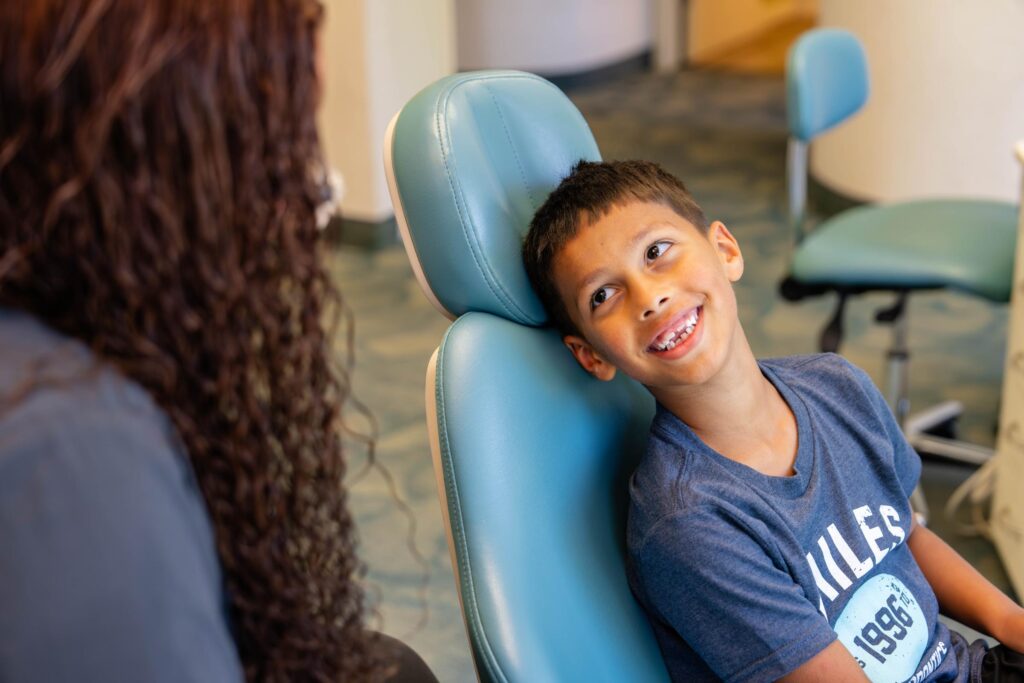
In growing children, jaw growth can often be guided rather than surgically corrected later. This is the strongest argument for an orthodontic evaluation around age seven. Palatal expanders widen a narrow upper jaw while the growth plates are still open, and functional appliances can influence how the lower jaw develops. Cases caught early sometimes avoid surgery entirely, and cases that still need it often need less of it. Our approach to orthodontic care at every age is built around catching these patterns while there is still growth to work with.
For adults, milder discrepancies can sometimes be treated with what is called camouflage: moving the teeth to compensate for the jaw relationship without moving the jaws. Depending on the case, that can be done with braces or with clear aligners. It is a real option with real limits, and we will tell you honestly which side of that line your case falls on.
Getting Evaluated in Erie, Lawrence Park, or Corry
The first step is a consultation and a complete set of records. From those, Dr. Doleski or Dr. Wolford can tell you whether your case is skeletal or dental, what the sequence would look like, and roughly how long each phase would run.
Bring any imaging you already have, along with the name of any oral surgeon you have already seen. If you are considering a second opinion after being told you need surgery elsewhere, that is a completely reasonable reason to come in, and we are glad to look.
We see patients at three offices. Our Erie office on West 38th Street, our Lawrence Park office on Main Street, and our Corry office on Maple Avenue. Surgical cases involve more appointments than routine treatment, so most patients pick whichever location keeps the drive shortest and stay there throughout.
You can request a free consultation online or call the office nearest you. If you want a sense of how the first visit runs before you commit, our new patient information walks through it, and you can read more about working with an orthodontist in Erie, PA who handles complex bite cases.
Frequently Asked Questions
Do I have to have braces before jaw surgery?
In nearly all cases, yes. The surgeon needs your teeth in specific positions to place the jaws correctly, and that alignment happens beforehand. Skipping it generally means a compromised result. A small number of cases use a surgery-first approach, but that is the exception and your surgical team would raise it.
How long does the whole process take?
Most surgical orthodontic cases run somewhere between two and three years from the day braces go on to the day they come off. Roughly twelve to eighteen months before surgery, then several months of healing and finishing afterward. Your own timeline depends on how much movement your case requires.
Will my bite look worse before it looks better?
Often, yes, and that is expected. Pre-surgical orthodontics removes the compensations your teeth developed to mask the jaw discrepancy, which makes the discrepancy more visible for a stretch. It is a sign treatment is working, not failing.
Do I need a referral to be evaluated?
No. You can schedule a consultation with us directly. Many of our surgical patients come in on their own after years of wondering about their bite, and others arrive through their general dentist or an oral surgeon.
Can teenagers have corrective jaw surgery?
Surgery is typically scheduled once facial growth is largely complete, which tends to be later for boys than for girls. Teens are frequently evaluated and started in pre-surgical orthodontics before that point, with the procedure timed to growth. This is one of the reasons early evaluation is useful.
Is jaw surgery cosmetic?
It changes facial appearance, and many patients are glad about that, but the reason for the procedure is function. Correcting how the jaws meet addresses chewing, speech, joint strain, breathing, and long-term wear on the teeth. The appearance change is a byproduct of fixing the structure.
What if I already have a surgeon?
We work with whichever oral and maxillofacial surgeon you have chosen. Coordination between offices is routine for us, and switching orthodontists mid-plan is not something you need to worry about if you are already partway through.