

Finishing braces feels like crossing a finish line. Your teeth look straight, your bite feels right and you’re ready to show off your new smile. But here’s the part many people don’t expect: the work isn’t quite done. How long do you need to wear a retainer after braces? The honest answer is that nightly wear is a lifelong habit, with the first several months requiring much more dedication.
Our team at Doleski & Wolford Orthodontics walks you and your family through what retention really looks like so your results last for decades, not just a few years.
What Is a Retainer and Why Do You Need One After Braces?
A retainer is a custom-made device that holds your teeth in their new, straightened position after braces come off. Think of it as the final, essential phase of your orthodontic treatment, not an optional add-on.
Teeth don’t simply “lock” into place once they’re aligned. The ligaments around each tooth have a strong memory, and the bone around your teeth needs time to remodel and stabilize. Without steady retainer wear, your teeth drift back toward their original positions, a process called relapse.
That means months (or even years) of work can slowly reverse. That’s why most orthodontists now recommend wearing a retainer indefinitely. There’s no point at which teeth stop wanting to shift.
A straight smile is something you’ve worked hard for, and a retainer is how you keep it looking its best for the long haul.
How Retainer Wear Works: The Two-Phase Timeline
Most people wear their retainer full-time (about 22 hours a day) for the first several months after braces, then transition to nightly wear indefinitely. This two-phase approach gives bone and tissue time to firm up around your newly positioned teeth, then maintains that alignment for life.
Here’s how the timeline typically breaks down:
Phase 1: Full-Time Wear (First 3 to 12 Months)
During this window, your teeth are at the highest risk of shifting. Bone is still settling around the new tooth positions, and the ligaments haven’t fully adapted. Wearing your retainer around the clock, removing it only to eat and brush, locks in your results while your mouth settles.
Many people transition to nights only after 4 to 6 months, though Dr. Doleski and Dr. Wolford may extend this phase depending on how your teeth respond.
Phase 2: Nightly Wear (Indefinitely)
After the initial phase, you’ll switch to wearing your retainer every night while you sleep. This is a lifelong habit. Teeth continue to shift throughout adulthood due to natural aging, chewing forces and jaw changes, so nightly wear keeps everything in place.
Consistency during that first year matters most. Skip too many nights early on, and shifting can start within weeks.
Benefits of Consistent Retainer Wear
Wearing your retainer as directed protects more than just your smile’s appearance. The benefits stack up over time:
- Preserves straight alignment. Every day of consistent wear reinforces the work your braces accomplished.
- Prevents lower front crowding. The lower front teeth are the most common place for relapse, and even minor shifting there is easy to see.
- Maintains bite function. A properly aligned bite spreads chewing forces evenly, reducing wear on enamel and strain on your jaw.
- Protects your investment. Your orthodontic treatment took time and commitment, and retainer wear is the easiest way to safeguard it.
- Helps you avoid retreatment. Starting over with braces or clear aligners takes months and a much bigger commitment than simply replacing a retainer every few years.
Consistency matters more than perfection. If you miss a night here or there, you’re usually fine. But patterns of skipping (a week here, two weeks there) add up quickly, especially in the first couple of years after braces.
Types of Retainers Compared: Clear vs Hawley vs Bonded
Each retainer style has its own strengths, and the right pick depends on your mouth, your habits and your history. Our team at Doleski & Wolford Orthodontics helps you and your family find the right fit based on your treatment history, lifestyle and relapse risk. Here’s how the three main types compare:
| Retainer Type | Appearance | Typical Lifespan | Removable? | Best For |
|---|---|---|---|---|
| Clear | Nearly invisible, covers all teeth | 1 to 3 years | Yes | Anyone who wants a discreet option |
| Hawley (wire and acrylic) | Visible wire across front teeth | 5 to 10 years | Yes | Durability and an adjustable fit |
| Bonded (permanent) | Hidden behind teeth | Varies, often 5+ years | No | Higher relapse risk or trouble remembering to wear one |
Clear retainers look the most natural and are a favorite for adults and teens who don’t want anything visible. They do wear down over time, so plan on replacements every one to three years.
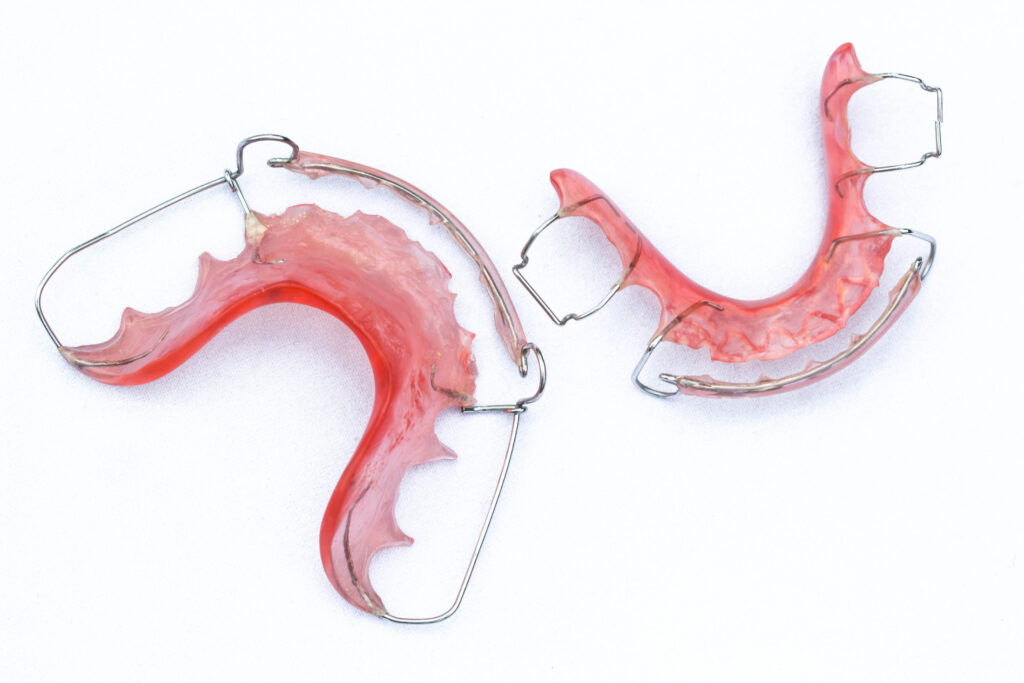
Hawley retainers are the classic style with a wire across the front and a custom acrylic plate. They’re highly durable and can be adjusted by your orthodontist if minor tweaks are needed.
Bonded retainers are fixed to the back of your front teeth with a thin wire. There’s nothing to remember to wear, but flossing requires a threader, and the wire can occasionally come loose.
Many orthodontists combine a bonded lower retainer with a removable upper retainer, giving you set-and-forget protection where relapse is most likely, plus flexibility up top. Dr. Doleski and Dr. Wolford bring a lifetime of experience to this decision and will recommend the setup that fits your smile best.
Planning for Retainer Replacements
Retainers don’t last forever, so it helps to know what to expect down the road.
- Clear retainers usually need replacement every 1 to 3 years due to normal wear, warping or accidental damage.
- Hawley retainers last much longer thanks to their durable wire-and-acrylic design, often 5 to 10 years with proper care.
- Bonded retainers can last many years, but occasional re-bonding may be needed if the wire pops off a tooth.
- Insurance coverage for retainer replacements varies widely. Some plans contribute and many don’t.
If you have questions about cost, our financing and insurance page explains the options we offer.
Who Needs Long-Term Retainer Wear?
The short answer: everyone who’s had braces. Lifelong nightly retention is the standard recommendation for every post-braces smile, regardless of age or type of braces.
That said, some people face a higher relapse risk and benefit from extra attention:
- Severe crowding, rotations or spacing before treatment often rebounds more aggressively without strict retainer wear.
- Teens who are still growing may need extended full-time wear while their jaws finish developing.
- Adults of every age benefit from indefinite nightly wear because teeth shift with age, even in people who never had braces. Our guide to adult braces and clear aligners covers more on treatment later in life.
- People who grind their teeth may need a plan that protects both alignment and enamel, so let our team know if you clench or grind at night.
- Anyone whose retainer feels tight should take it as a sign that teeth have started shifting and get back to consistent wear right away.
If you’re unsure whether your retainer still fits properly or you’ve fallen out of the habit, don’t wait for visible shifting. Schedule a free consultation with our team and we’ll take a look.
Frequently Asked Questions About Retainer Wear
Is wearing a retainer for 2 years enough?
No. Two years of wear protects your results during the highest-risk window, but teeth continue shifting throughout life. Nightly retainer wear is recommended indefinitely to keep your alignment long-term.
When can I stop wearing my retainer completely?
Most orthodontists recommend never fully stopping. Even decades after braces, teeth can slowly drift due to natural aging and jaw changes. Follow the wear schedule your orthodontist gives you, and check with them before cutting back.
Can I go 2 hours without my retainer?
Yes, short gaps of a few hours are fine, especially for eating, brushing or special occasions. Gaps of days or weeks are where shifting becomes a real risk. If your retainer feels tight after being out, wear it more consistently.
Do I wear retainers forever after braces?
Yes, nightly wear is the current standard recommendation for the rest of your life. The good news is that it’s just a few hours while you sleep, and it’s the easiest way to protect your straight smile.
What if my retainer feels tight?
Tightness means your teeth have shifted slightly since you last wore it. Go back to wearing it more consistently (sometimes full-time for a few days) to let things settle. If it’s uncomfortable to put in or clearly doesn’t fit, contact our team so we can check the fit.
How do I clean my retainer?
Brush it gently with a soft toothbrush and cool water daily. Avoid hot water, which can warp clear retainers. Once a week, soak it in a retainer cleaning solution or a mix of water and mild dish soap. Skip toothpaste on clear retainers, since it can scratch the surface and dull the finish over time.
Ready to protect your smile for life? Doleski & Wolford Orthodontics helps you and your family with retainer fittings, replacements and personalized retention plans at all three of our offices in Erie, Lawrence Park and Corry. Reach out today and keep your smile exactly where it belongs.