

Choosing between braces and clear aligners is one of the biggest decisions you’ll make about your smile. When it comes to braces vs. clear aligners, both straighten teeth well, but they work differently, feel different day-to-day, and fit different lifestyles. At Doleski & Wolford Orthodontics, we help you and your family find your perfect fit based on your teeth, your goals, and how you live.
What Are Braces and Clear Aligners?
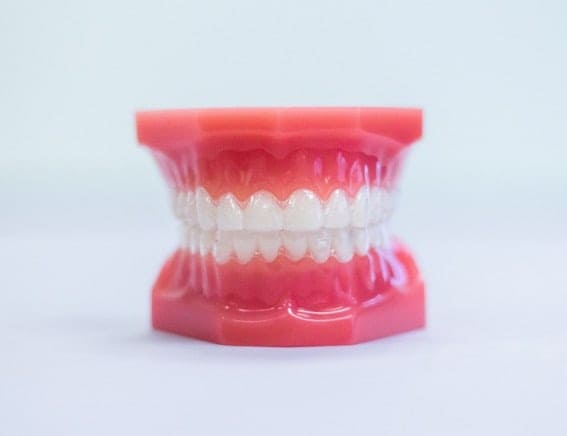
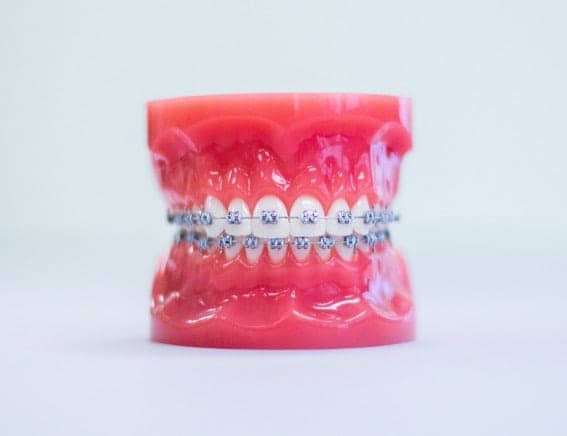
Braces are fixed brackets and wires bonded to your teeth. Clear aligners are removable, custom-made trays worn over your teeth. Both straighten teeth by applying gentle pressure, moving them into better alignment over time. Braces stay on around the clock, while aligners come out for meals and cleaning.
Both are proven treatments for crowding, spacing, bite issues, and alignment concerns. Metal brackets have come a long way. Today’s brackets are smaller, smoother, and more comfortable than they used to be. If you like the reliability of fixed appliances but want something more discreet, 3M Clarity ceramic braces blend with the color of your teeth for a subtler look.
Clear aligners, like 3M Clarity aligners, use digital planning to map every tooth movement from start to finish. You get a new set of trays every week or two, and each one nudges your teeth a little closer to their final position.
Kids, teens, and adults can all get stunning smiles with either option. Dr. Doleski and Dr. Wolford, board-certified smile experts, will walk you through which one makes the most sense for your situation.
How Do Braces and Clear Aligners Work?
Braces use an archwire threaded through brackets on each tooth, applying gentle, constant pressure that your smile expert adjusts at regular visits. Clear aligners work through a series of removable trays worn most of the day, with each tray building on the last. Both methods guide your teeth into straighter alignment step by step.
To break it down further, braces stay bonded to your teeth and keep working between appointments. Aligners rely on you wearing them consistently, then swapping to the next tray in your set. Here’s what to expect with each option:
With braces:
- Brackets are bonded to the front of each tooth
- Wires are adjusted every 4-8 weeks
- Small elastics or bands may be added for bite correction
- Treatment continues 24/7 without any effort from you
With clear aligners:
- Digital scans capture a 3D model of your teeth
- Your smile expert designs a custom set of trays based on your personalized treatment plan
- You wear each tray for 1-2 weeks, then move to the next
- Trays come out for meals, brushing, and flossing
Typical treatment time ranges from about 6 months for simple aligner cases to 2 or more years for involved braces cases. Both options need regular monitoring at Doleski & Wolford Orthodontics so Dr. Doleski and Dr. Wolford can track your progress and make adjustments along the way.
Benefits of Braces vs. Clear Aligners
Both options have real advantages, and the benefits are clear once you see them side by side.
Benefits of braces:
- Work well for complex cases, including severe rotations and bite corrections
- No compliance required, since they’re always on the job
- Modern metal brackets are lighter and more comfortable than older versions
- 3M Clarity ceramic braces offer a discreet look with fixed-appliance reliability
- Great option for younger kids who may lose or forget aligner trays
Benefits of clear aligners:
- Nearly invisible, so most people won’t notice you’re wearing them
- Removable for eating, drinking, brushing, and flossing
- Smooth edges that stay gentle against your cheeks and gums
- Fewer in-office visits for some cases
- Fit into your daily life, whether you’re at work, at a wedding, or on the sports field
Brushing and flossing tend to be easier with aligners since you simply take them out. Braces need a little extra care around the brackets and wires, but with the right tools, keeping your teeth clean is very doable.
Both options can be paired with the Synapse Dental Pain Eraser Tool to keep you comfortable during adjustments. Our team walks every patient through daily care so your smile stays on track from start to finish.
Braces vs. Clear Aligners: Side-by-Side Comparison
Below is a quick way to compare the two options at a glance:
Braces tend to be the stronger choice for severe rotations, significant bite corrections, and cases involving jaw growth in kids and teens. Clear aligners work well for mild-to-moderate crowding, spacing gaps, and mild bite issues, especially for adults and teens who want something discreet.
Keep in mind that compliance is a big factor. Aligners only work when they’re in your mouth, so if you’re the type to leave them on the nightstand, braces may be a better fit. Diet matters too. With braces, sticky and hard foods are off the menu for a while. With aligners, you pop them out and eat whatever you want.
The right answer depends on your teeth, your habits, and your goals. Dr. Doleski and Dr. Wolford will help you weigh it all during your free consultation.
What Affects the Price of Braces and Clear Aligners
The investment in braces vs. clear aligners depends on three main factors: how complex your case is, how long treatment takes, and which appliance you choose. Metal braces are typically the most budget-friendly option, ceramic braces run a bit more, and aligner pricing shifts with the number of trays your smile needs.
A few things that influence what you’ll pay:
- How much movement your teeth need
- Total length of your personalized treatment plan
- Whether you choose metal brackets, ceramic braces, or aligners
- Any additional appliances like expanders or retainers
- Insurance coverage and benefits
At Doleski & Wolford Orthodontics, we work hard to keep quality care within reach. We offer custom financing and flexible payment plans so your smile fits your family’s budget. Many insurance plans cover part of orthodontic treatment, and our team is happy to help you understand your benefits.
The best way to get a real number is to come in for a free consultation. You’ll get a personalized estimate based on your actual teeth, not a generic quote.
Who Is a Good Candidate for Each Option?
Not every smile needs the same solution. Consider which option might suit you best:
Clear aligners may be a great fit if you:
- Have mild to moderate crowding, spacing, or alignment issues
- Are disciplined about wearing your trays 20-22 hours a day
- Want a discreet look for work, school, or social events
- Are a teen or adult ready to commit to consistent wear
Braces may be the better choice if you:
- Have complex bite issues, severe rotations, or significant crowding
- Are a younger child still growing into their permanent teeth
- Want a treatment that works around the clock without daily effort
- Are drawn to the discreet look of 3M Clarity ceramic braces
Both options work well for teens and adults of all ages. Lifestyle, budget, and how you feel about your smile in the mirror all play into the decision. The final call comes down to an evaluation with Dr. Doleski or Dr. Wolford, board-certified smile experts who will look at your teeth, bite, and goals to recommend what works best for your smile and your family.
Frequently Asked Questions
Are clear aligners as effective as braces for straightening teeth?
For mild to moderate cases, clear aligners are just as effective as braces. For more involved cases with significant bite issues, severe rotations, or major crowding, braces often deliver more predictable results. Your smile expert at Doleski & Wolford Orthodontics will assess your teeth and let you know which option gives you the best outcome.
How long does treatment take with braces vs. aligners?
Treatment time varies with each patient. Simple aligner cases can finish in as little as 6 months, while braces typically run 12 to 24 months, and complex cases may take closer to 2 years or more. Your personalized treatment plan will include a realistic time estimate.
Which is more comfortable, braces or clear aligners?
Both are comfortable, but in different ways. Clear aligners have smooth edges that stay gentle against your cheeks. Modern metal brackets are smaller and softer than older versions, and any tenderness after adjustments usually fades within a day or two. The Synapse Dental Pain Eraser Tool helps ease any soreness with either option.
Can I switch from braces to aligners mid-treatment?
In some cases, yes. If your teeth have moved into a position where aligners can finish the job, your smile expert may recommend switching. It depends on how much movement is left and the specifics of your case. Dr. Doleski and Dr. Wolford will talk through your options if you’re curious about making a change.
How do I decide which option is right for me?
The best way to decide is with a free consultation. During your visit, we’ll look at your teeth, listen to what you want, and walk you through the pros and cons of each option. Dr. Doleski and Dr. Wolford bring a lifetime of experience to every smile they create, and you’ll leave with a clear understanding of what treatment fits your smile, your lifestyle, and your budget. Your smile starts here, and our team is ready to help you find your perfect fit. Schedule your free consultation today.