
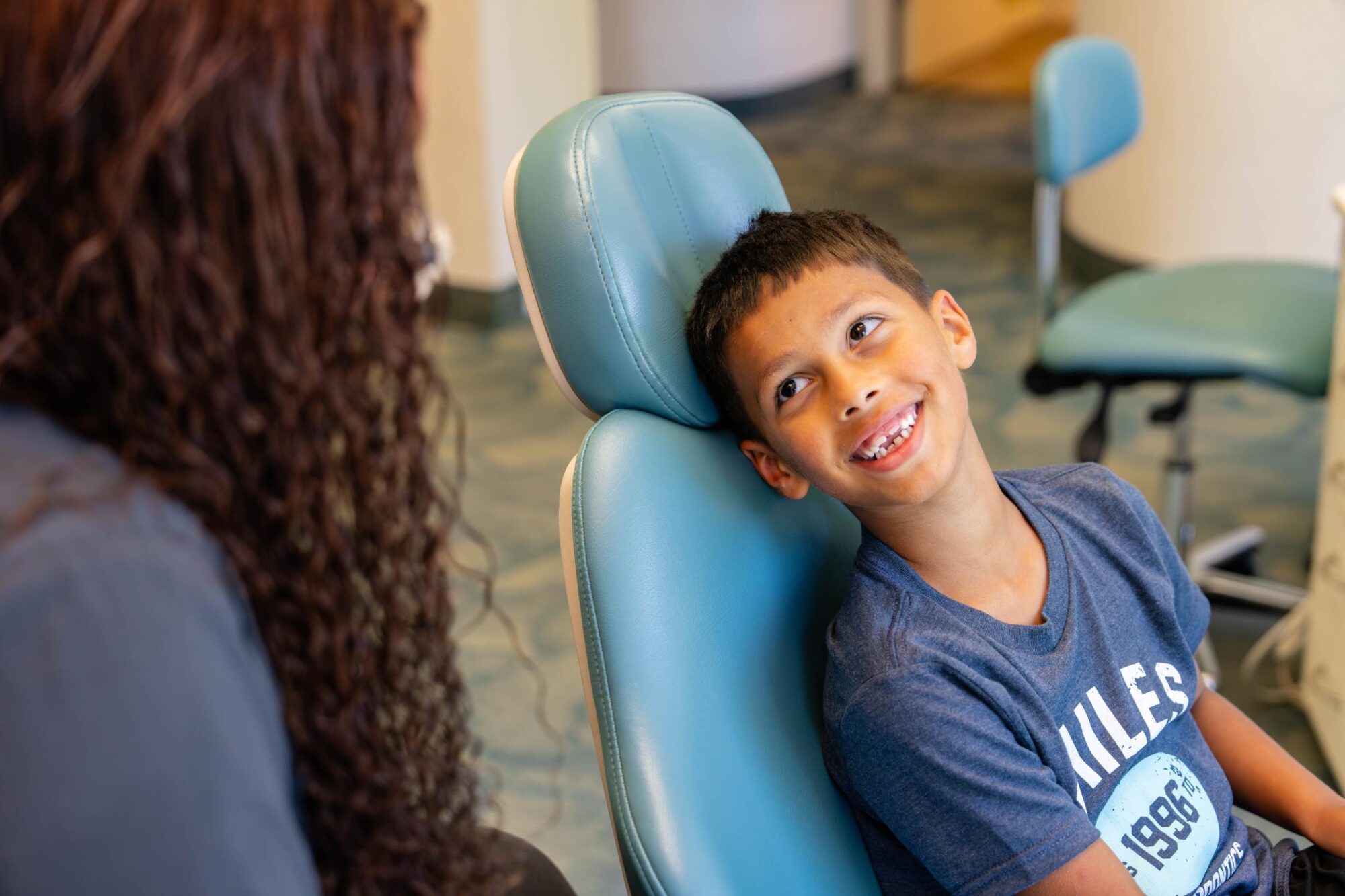
The Right Age for a First Orthodontic Visit
When should my child first see an orthodontist? The American Association of Orthodontists (AAO) recommends a first orthodontic visit by age 7. By this age, your child’s first adult molars and incisors have usually come in, giving a smile expert enough to spot developing bite or spacing issues. An early visit doesn’t mean early treatment is needed.
Most kids who come in at age 7 simply get monitored. Dr. Doleski and Dr. Wolford, board-certified orthodontists, watch how the jaw grows and how permanent teeth come in over time. If treatment ever becomes helpful, they’ll know the right window to start. Families across Erie appreciate this steady, no-rush approach to a child’s smile.
At Doleski & Wolford Orthodontics, that first visit is a free consultation. There’s no pressure, no rush, and no charge to bring your child in for a look. It’s an easy first step for any family curious about how a young smile is coming along.
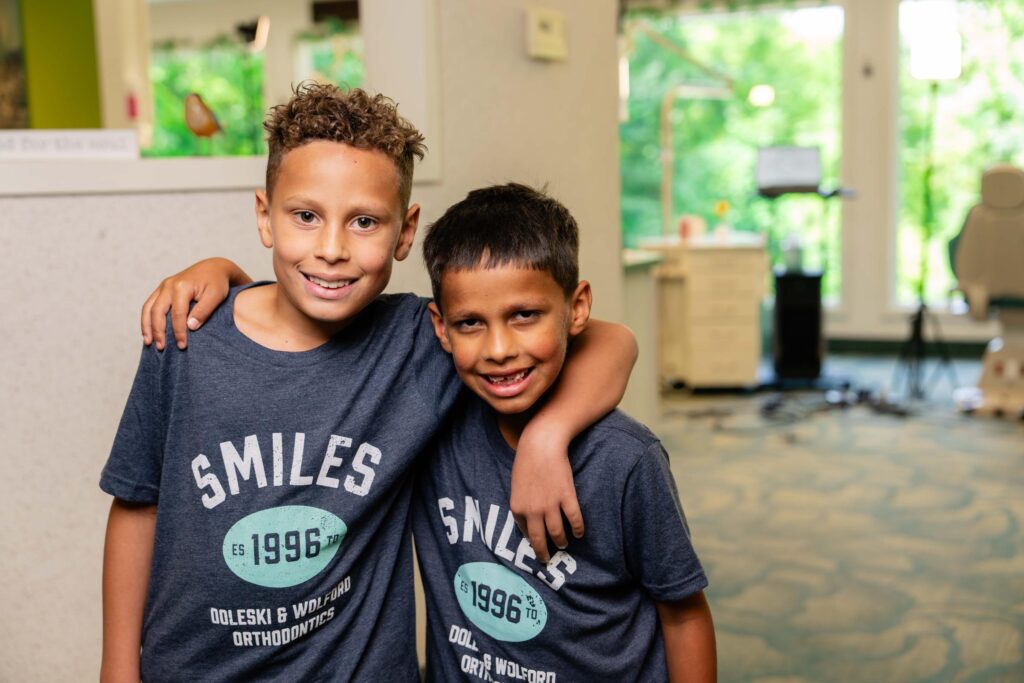
What Happens at Your Child’s First Orthodontic Visit
Your child’s first orthodontic visit is a friendly, thorough exam of their teeth, jaw, and bite. A smile expert reviews how permanent teeth are coming in, checks growth patterns, and talks with you about what to expect next. The visit usually takes 30 to 60 minutes and includes digital scans, a gentle exam, and time for your questions.
Here’s what to expect step by step:
- A warm welcome. Our team greets you and your family, gets to know your child, and helps them feel right at home.
- A gentle exam. The smile expert checks teeth, gums, jaw alignment, and bite for anything worth watching.
- Digital scans. We use modern digital scanners to capture a detailed 3D view of your child’s mouth. No goopy molds, and the scans are comfortable and easy for kids.
- A conversation about next steps. You’ll learn whether your child needs active treatment, simple monitoring, or nothing at all right now.
- Time for your questions. Ask about timing, appliances, or anything else on your mind.
Your child’s free consultation at Doleski & Wolford Orthodontics is a great way to get answers without any commitment. Dr. Kenneth Doleski, DDS, and Dr. Marian Wolford take time to explain everything in plain language.
What Are the Benefits of an Early Orthodontic Evaluation?
An early evaluation gives your child’s smile a strong start. Even if no treatment is needed right away, checking in by age 7 helps catch hidden issues and guides growth during the most important years. This is a big reason so many Erie families choose Doleski & Wolford Orthodontics for that first look.
How Does an Early Visit Guide Healthy Growth?
An early check-in lets our smile experts guide development while the jaw is still forming. That timing opens up options that get harder to reach once growth slows down. Key benefits include:
- Guiding jaw growth. Gentle guidance can create room for incoming adult teeth.
- Fewer big issues later. Early care may lower the chance of extractions or more involved work in the teen years.
- Catching crossbites and crowding. These are easier to correct while the jaw is still growing.
- Habits get addressed sooner. Thumb-sucking, tongue thrusting, or mouth breathing can affect bite development and are easier to address early.
- Confidence gets a boost. A healthier, straighter smile during the school years supports self-esteem.
- Hidden problems come to light. Some issues aren’t obvious from the outside but show up on an exam.
What If My Child Doesn’t Seem to Need Anything?
Even parents who don’t see anything wrong often walk away with helpful insight. That’s the point of an early check-in. You get peace of mind, a clear picture of what’s ahead, and a trusted team watching over your child’s smile as they grow. There’s real value in simply knowing everything is on track.
Early Treatment (Phase 1) vs. Waiting for All Adult Teeth
Not every child needs braces at age 7. Some benefit from Phase 1 treatment while they’re still growing. Others just need monitoring until more adult teeth come in. Here’s how the two paths compare:
Dr. Doleski and Dr. Wolford recommend the approach that fits your child’s individual growth. Monitoring visits are relaxed, quick, and give everyone peace of mind that nothing is being missed. Whatever path fits best, our team walks with you every step so the process feels clear and calm from start to finish.
What Affects the Pricing of Early Orthodontic Care?
Pricing for early orthodontic care depends on whether your child needs active treatment or just monitoring. First visits at Doleski & Wolford Orthodontics are free consultations, so there’s no charge to find out where things stand. If treatment is recommended, several factors shape what your family will invest.
Factors that affect pricing include:
Our team works hard to keep quality care within reach. We’ll walk through your options, insurance benefits and payment plans so you can make a confident choice for your family. Erie families tell us this open, honest approach takes the stress out of budgeting for a smile.
Signs Your Child May Need to See an Orthodontist
Certain signs suggest it’s time for a first orthodontic visit, including crowding, bite trouble, or reaching age 7. If any of these sound familiar, it’s worth booking a free consult to talk through your child’s smile journey:
- Your child just turned 7. Age 7 is the AAO’s recommended check-in point.
- Teeth look crooked, crowded, or gappy. Overlapping or widely spaced teeth may signal alignment issues.
- Chewing or biting is tricky. Trouble eating certain foods can point to a bite problem.
- Mouth breathing is a habit. Persistent mouth breathing can affect jaw development.
- Baby teeth come out too early or too late. Timing matters for how adult teeth come in.
- Thumb-sucking continues past age 5. Extended thumb-sucking can shift the shape of the mouth.
- Jaw clicks, shifts, or looks uneven. These may indicate a jaw alignment concern.
- A family history of orthodontic issues. Genetics play a role in bite and spacing.
If you’re unsure, that’s okay too. A quick evaluation with our team at Doleski & Wolford Orthodontics gives you clear answers and a sense of what’s next.
Frequently Asked Questions
Is age 7 too early for braces?
Age 7 is rarely about starting braces. It’s about getting a professional look at how your child’s smile is developing. Most 7-year-olds don’t need any treatment yet. If something does need attention, catching it early usually means simpler care later.
Does my child need a referral to see an orthodontist?
No referral is required. You can book a free consultation with Dr. Doleski and Dr. Wolford directly. Many families come in on their own after noticing something, or simply because their child hit age 7. Your dentist may also suggest a visit, but it’s not a requirement.
How long is the first visit?
Plan for about 30 to 60 minutes. That includes time for the exam, digital scans, a chat about what we see, and answers to any questions you and your family have. We never rush the first visit because getting to know your family matters to us.
What if we wait past age 7?
Later visits still help. Kids can benefit from an orthodontic evaluation at any age. Age 7 is the earliest recommended window per the AAO because it’s the best time for catching growth-related issues. If your child is older, don’t worry; there’s still plenty of time to get the smile they deserve.
Are digital scans safe for kids?
Yes. Digital scans use a small handheld wand to capture a 3D image of your child’s teeth. There’s no messy putty and the process is gentle and comfortable. Most kids actually think it’s fun to see their smile on the screen. Dr. Kenneth Doleski, DDS, and Dr. Marian Wolford, our board-certified smile experts, use this technology at every convenient location to make the experience easy for your whole family, because your smile starts here.